
Deep Research Using AI
This epic, nearly 20,000-word beast of an article series was painstakingly conjured up with some Deep Research functionalities. While it may sound incredibly authoritative, well-informed, and even suspiciously insightful, remember: this content is intended for entertainment purposes only. Think of it as the informational equivalent of a late-night Wikipedia rabbit hole: fun, fascinating, occasionally eyebrow-raising, but definitely not something to bet your house, job, or firstborn on.

This five-part series first ran in our daily newsletter in April 2025, one part a day. Here it is in one read. Program rules change often, so check current terms before acting on any figure here.
Part 1 of 5
As of April 2025, airlines have cranked the hype machine to full throttle, convincing travelers to worship at the altar of loyalty programs. But here’s the spicy truth: much of this status-chasing is a sucker’s game, offering far less value than the obsessive culture around it would have you believe.
In this irreverent deep-dive, we’ll skewer the obsession with airline elite status. We break down the major airline alliances (oneworld, SkyTeam, Star Alliance) and how they tempt you with perks. We’ll peek behind the gilded curtain of the Middle East “Big 3” (Emirates, Etihad, Qatar) to see how their loyalty programs play a different game. We’ll dish out updated April 2025 insights on what those fancy tiers actually get you (from baggage and boarding to upgrades and lounges) and call out specific examples (yes, we’re coming for you, Delta, American, United). Buckle up for a brutally honest pros and cons list for each case, a look at credit card shenanigans, spending thresholds, status matches, upgrade odds, and more. Along the way, you’ll find our ProTips (real talk for smart travelers) on getting the most value without selling your soul (or wallet) to one airline.
Get ready for a wild ride at 35,000 feet, where we learn that blind loyalty might just be holding you back from smarter travel choices. Tray tables up; it’s time to take off the rose-tinted glasses and see airline elite status for what it really is.

The Cult of Elite Status: Why Are We So Addicted?
Frequent flyer elite status wasn’t always a circus. Decades ago, it was simple: fly a lot, get treated a bit better. But airlines have cleverly transformed loyalty into a full-blown lifestyle obsession. Travelers now plan their lives around reaching arbitrary tier thresholds, all for the fleeting privilege of Group 1 boarding and maybe a half-decent seat. Airline marketing departments deserve an Oscar: they’ve convinced otherwise sane people to chase status like it’s the Holy Grail.
Let’s be real: much of the status chase is about ego and psychology. That shiny card and elite tag on your luggage are modern-day merit badges. They signal to others (and yourself) that you’re a Somebody in the skies. Airlines play into this vanity with names that sound like military ranks or precious metals: Gold, Platinum, 1K, Diamond, Executive Platinum (ooh, fancy). It’s status theater: you feel important when an agent says “welcome back, Mr. VIP,” or when you cut the line at security (only to find 50 other “priority” people already there).
Travelers often cite the “free” upgrades, lounge access, and waived fees as justification for the hundreds of hours and thousands of dollars spent chasing status. But if you step back and do the math, the equation often doesn’t add up. As we’ll explore, many “benefits” can be obtained cheaper (or easier) without devotion to one carrier. Still, the psychology runs deep: people fear missing out if they don’t have status. Airlines expertly exploit this FOMO (a phenomenon we’ll call Status Anxiety) to keep customers flying their airline at any cost, even when a competitor is cheaper or more convenient.
Airline Alliances: oneworld vs. SkyTeam vs. Star Alliance (Same Church, Different Pews)
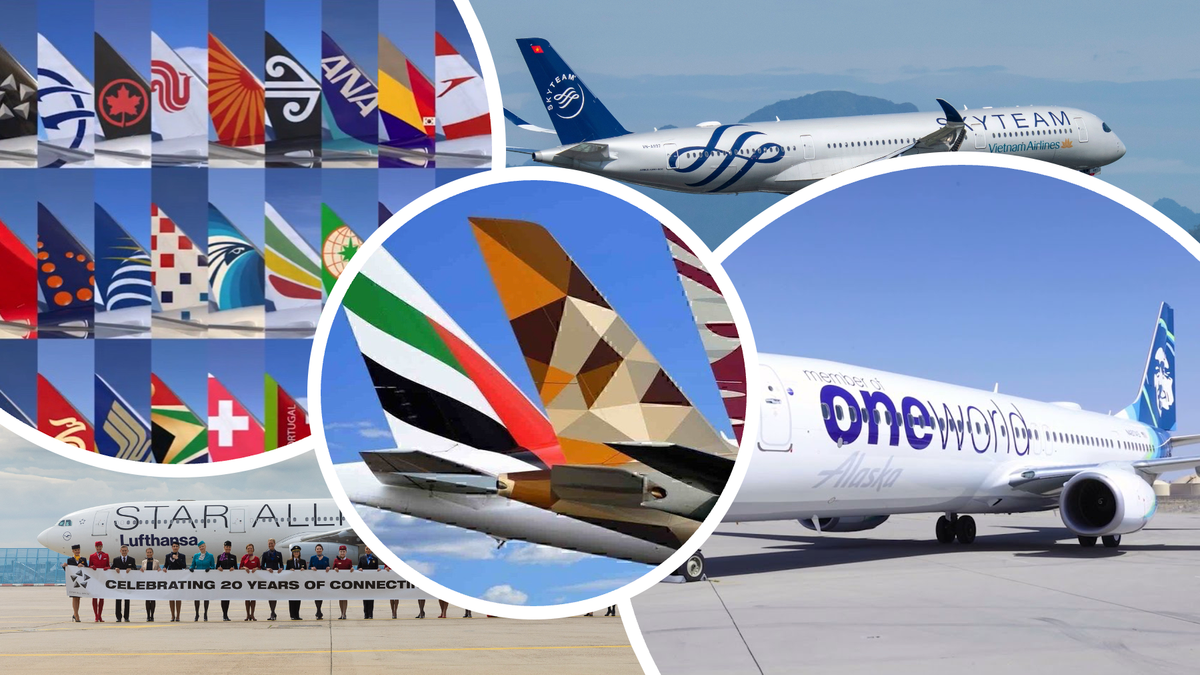
Before we shred the specific perks (or lack thereof), it’s key to understand the three global airline alliances. Think of oneworld, SkyTeam, and Star Alliance as the big three “churches” of airline loyalty. Joining one airline’s frequent flyer program often grants you status across the whole alliance (in theory, at least). Each alliance has its own fancy handshake: if you’re elite with one member airline, you’re granted a corresponding alliance status (which supposedly yields benefits on any partner airline in that alliance). It sounds great: global recognition of your “special” status. The reality is a bit murkier, but let’s break it down with a healthy dose of skepticism.
Star Alliance “Gold” Status: The Fool’s Gold?
Star Alliance is the largest alliance (26 member airlines spanning United, Lufthansa, Air Canada, Singapore Airlines, ANA and more). They keep it simple with just two alliance-wide tiers: Star Alliance Silver and Star Alliance Gold.
Silver is basically the “thanks for playing” level: no real perks except maybe priority standby. Gold is the one everyone covets, as it’s supposed to unlock the goodies across all Star Alliance airlines.
- Lounge Access: Star Alliance Gold is your ticket to 1,000+ airport lounges when flying any member airline. In practice, this means if you’re Star Gold, you can pop into, say, the Lufthansa lounge even when flying economy on Lufthansa or United. That’s a solid perk: a quiet(ish) place to grab a coffee away from the gate lice. However, there’s a catch (there’s always a catch): U.S. airlines like United exclude their own elites from domestic lounge access. For example, a United Premier Gold (which is Star Alliance Gold) cannot access United Clubs on purely domestic tickets, an infamous carve-out in the rules. But if that same person had foreign Star Gold status (say via Air Canada Aeroplan), they could stroll into a United lounge on a domestic itinerary. It’s as absurd as it sounds. Essentially, United says “our Golds aren’t real Golds at home”, because selling lounge memberships and credit cards is more lucrative. So Star Alliance Gold is valuable for international travel lounge-hopping, but can be meaningless at your home hub thanks to protectionist fine print.
- Priority Services: Star Gold promises priority check-in, security, boarding, and baggage handling across all airline. And indeed, you typically get to use the business/first-class check-in lines and board early. This is nice, but again consider how many people have Star Gold: on a big flight, half the plane might have “priority” on their boarding pass. The priority security line might save you time… unless all the elites show up at once, then it’s just as slow. As for priority baggage, sure your bag might come off earlier with a big “Star Priority” tag, but there’s zero guarantee. Sometimes I think those tags are just for show.
- Extra Baggage: Most Star Alliance Gold members get an extra checked bag or heavier allowance by default. This can save a good $50-$100 per trip if you check bags often. But note: many co-branded airline credit cards offer a free checked bag without needing status.
(Spotting a trend here? We’ll hit credit cards later. Spoiler: airlines make more money selling credit cards than seats these days.)
- Upgrades: Here’s where Star Alliance as an alliance doesn’t do much for you. Alliance-wide upgrades are rare as unicorns. Your Star Gold status won’t get you upgraded on partner airlines unless you use some upgrade certificate or miles, case by case. Upgrades remain largely within each airline’s own program. So the alliance doesn’t help when it comes to plopping your behind in business class: that depends on your airline’s policy and how many fellow elites are vying for the same seat.
- Notable Quirks: Star Alliance Gold is relatively easy to get via certain member programs (hello, Aegean Airlines, which historically had low requirements). This created a cottage industry of people earning Gold cheaply with a partner airline to exploit the lounge perk on more expensive carriers. Of course, alliances slowly plug such loopholes. Also, Star Alliance has no top tier beyond Gold: once you’re Gold, that’s it. That keeps things somewhat egalitarian, but it also means Star Gold covers a huge range from modest flyers to uber-road-warriors, a broad church, so to speak, all competing for the same perks.
oneworld Alliance: Emerald City and the Sapphire Blues
The oneworld alliance (American Airlines, British Airways, Cathay Pacific, Finnair, Iberia, Japan Airlines, Malaysia Airlines, Qantas, Qatar Airways, Royal Air Maroc, Royal Jordanian, SriLankan, plus partner Alaska Airlines) takes a tiered approach: oneworld Ruby, Sapphire, and Emerald. These correspond to the elite tiers of member programs (for instance, American AAdvantage Gold = oneworld Ruby; AAdvantage Platinum = oneworld Sapphire; AAdvantage Executive Platinum = oneworld Emerald). The idea is a Ruby from Japan Airlines equals a Ruby from Qantas in terms of privileges on any oneworld airline. Nice idea, but what do these tiers actually get you?
- Ruby (Lowest Tier): oneworld Ruby is the entry-level elite, basically recognition that you fly more than average, but not enough to pamper. Ruby gets you priority check-in and maybe priority waitlist/standby. No lounge access whatsoever. You might board a tad earlier than the masses (depending on the airline’s boarding groups). In short, Ruby is barely elite: it’s like being on the junior varsity team of loyalty. Useful perks: slim to none. It’s mostly a pat on the back.
- Sapphire (Mid Tier): This is the sweet spot for many because oneworld Sapphire includes lounge access, specifically business-class lounges across the alliance. If you’re Sapphire, you and a guest can enter any oneworld business lounge when flying a oneworld airline, even in economy. For example, an American Airlines Platinum (Sapphire) flying BA or Qantas can use those airlines’ business lounges. Sapphire also grants priority boarding, check-in, security and baggage handling, and an extra checked baggage allowance. Essentially, it maps to “mid-tier elite” perks. No first-class lounge access though (that’s Emerald-only). Still, Sapphire is arguably the most bang-for-buck status in oneworld: lounge access is the main differentiator over Ruby. Many travelers strive to at least get Sapphire if they fly oneworld carriers regularly, since it makes long trips much more pleasant with a lounge to relax in.
- Emerald (Top Tier): oneworld Emerald is the crown jewel. It gives you first-class lounge access when available, in addition to business lounge. Emeralds get to waltz into exclusive spaces like the Qantas First Lounge or American’s Flagship First Dining (if flying internationally) where the champagne flows and the crowd is thinner, theoretically. Emerald also usually comes with fast-track security and immigration in many airports, highest priority boarding, and even more baggage allowance. Essentially all the perks of Sapphire plus a few extras: first-class check-in counters and the fancy lounges. It’s the full VIP treatment on paper. However, in practice, even Emerald doesn’t guarantee miracles: you’re still limited by the operating airline’s policies. For instance, an American Emerald (Exec Plat) flying British Airways gets BA First Lounge access (nice), but flying American domestically, even an Emerald can’t get into an Admirals Club without buying membership or using a credit card, because AA (like United) doesn’t grant its own elites domestic lounge access unless on a qualifying tickets. So much for loyalty. There are also cases where oneworld Emeralds are downgraded in experience: e.g. Qatar Airways (a oneworld member) famously restricted Emerald and Sapphire members not flying business class to a separate lounge in Doha, keeping its posh Al Mourjan lounge exclusive to those with biz class tickets. In other words, “all animals are equal, but some are more equal than others”: your Emerald status is welcomed, but please stay in the other room. This kind of undercutting of alliance perks shows the limits of status across airlines.
So how do the alliances stack up on core benefits? Here’s a quick and dirty comparison:
| Perk / Status | oneworld Emerald (Top) | oneworld Sapphire (Mid) | oneworld Ruby (Entry) | Star Alliance Gold (Top) | Star Alliance Silver (Entry) | SkyTeam Elite Plus (Top) | SkyTeam Elite (Entry) |
|---|---|---|---|---|---|---|---|
| Lounge Access (international) | Yes: First & Business lounges (Emerald gets first-class lounges where offered) | Yes: Business lounge | No | Yes: Business class lounges (1 guest allowed) | No | Yes: SkyTeam lounges (with 3-hour limit) | No |
| Lounge Access (domestic home carrier) | Varies: e.g., AA Emerald no Admirals Club on domestic ticket (needs membership), BA Emerald yes in BA lounges | Same caveat: depends on airline (e.g. Alaska Sapphire gets Alaska Lounge access) | No | Varies: United’s own Gold can’t access United Club domestically, but foreign-program Gold can | No | New: As of 2025, SkyTeam doesallow Elite Plus domestic lounge access alliance-wide, but U.S. carriers may push their memberships | No |
| Priority boarding/check-in | Yes (first-class lanes) | Yes (business-class lanes) | Some (priority check-in) | Yes (priority lanes at check-in/security) | Limited (maybe standby only) | Yes (SkyPriority lanes) | Some (basic priority boarding) |
| Extra baggage allowance | Yes (typically +20kg or +1 extra bag) | Yes (+15kg or +1 bag) | No (maybe priority tags only) | Yes (+20kg or +1 bag) | No | Yes (typically +1 bag) | Possibly (some get +1 bag) |
| Bonus miles earning | Program-specific (e.g. AA Exec Plat 120% bonus) | Program-specific (e.g. AA Plat 80% bonus) | Program-specific (e.g. AA Gold 40%) | Program-specific (each airline sets own bonus) | n/a | Program-specific (e.g. Delta Silver 40%, Diamond 120%) | n/a |
| Upgrade priority (own airline) | Highest (top of upgrade lists) | High (ahead of lower tiers) | Low | High (top of list on own airline) | Lower | High (e.g. Delta Platinum/Diamond clear before lower tiers) | Low |
| Free domestic upgrades (own airline) | Yes (most U.S. programs offer space-available upgrades for mid/high tiers) | Yes (in U.S., e.g. AA Platinum) | Maybe (e.g. AA Gold gets upgrades after higher tiers) | Yes (United offers to all tiers, lower priority for Silver) | n/a | Yes (Delta offers to all Medallion tiers, lower priority for Silver) | n/a |
| Dedicated support | Yes (exclusive phone lines, staff) | Often (priority lines) | Not really | Yes (Premier hotline for Gold+) | No | Yes (Delta Platinum+ hotline) | No |
(Note: Benefits can vary slightly by airline within an alliance, but this table shows the typical alliance-wide perks.)
Looking at the table, you might think “Hey, being top-tier (Emerald/Gold/Elite Plus) seems worth it for the lounge access and priority.” Those are indeed the headline perks alliances advertise. But keep in mind how limited some of these can be in practice. Alliance-wide lounge access is great for international travel, but if most of your flying is domestic U.S., alliance status won’t save you from crappy airport food: you’d still need that airline’s club membership or a credit card that grants lounge entry. Priority lanes help, but when everyone is priority, no one is. Extra bags are nice, but a $95 credit card could do the same.
And remember: alliance status doesn’t automatically upgrade you. The real upgrades (the ones that put you in a better seat) come from the individual airlines and their unique programs. Alliances mostly offer soft perks (ground experience improvements) rather than the holy grail of a lie-flat seat.
SkyTeam: Elite Plus Déjà Vu
SkyTeam (Delta, Air France/KLM, Korean Air, Aeromexico, Virgin Atlantic (new in 2023), and others; 19 members total) takes a page from Star Alliance with two tiers: SkyTeam Elite and SkyTeam Elite Plus. Basically, “Elite” corresponds to a mid-tier status on a member airline (e.g. Delta Silver Medallion, Air France Silver), and Elite Plus is a higher tier (Delta Gold/Platinum/Diamond, Air France Gold/Platinum, etc).
- SkyTeam Elite (Lower Tier): This will get you priority check-in and boarding on SkyTeam flights, and an extra baggage allowance on international routes. But notably, no lounge access for plain Elite; just like Star Silver or oneworld Ruby, it’s a minimal tier.
- SkyTeam Elite Plus: This is the one that includes lounge access, equivalent to Star Alliance Gold or oneworld Sapphire/Emerald. Historically, SkyTeam had a big disadvantage: no lounge access on domestic itineraries for Elite Plus. For example, a Delta Platinum (SkyTeam Elite Plus) flying domestic Delta couldn’t use the Sky Club unless they bought a membership or had the right credit card. Meanwhile, a comparable oneworld Sapphire on American or Star Gold on United could use partner lounges internationally (though AA/UA had their own carve-outs domestically, as discussed). However, effective April 1, 2025, SkyTeam changed its policy: Elite Plus now gets lounge access even on domestic itineraries across all member. This is a big shift toward parity with the other alliances. Of course, they gave this and then immediately added restrictions: a 3-hour time limit before departure for lounge visits, and guests must be on the same flight no. In short, SkyTeam said “okay, you can come into lounges for your domestic flights now, but don’t dare show up five hours early and camp out, and no sneaking your buddy in unless they’re flying with you.” It’s a mixed bag update: helpful, but with a side of fine print.
- Aside from the lounge changes, Elite Plus also grants the usual priority boarding, baggage, and check-in. One perk somewhat unique to SkyTeam Elite Plus (and Star Gold) vs. oneworld Sapphire: guaranteed seats on full flights. If you’re SkyTeam Elite Plus and really need to get on a “sold out” flight, they’ll make space for you (often only if you’re buying a full-fare ticket). It’s rarely used by normal folks (since it may require paying full fare), but it exists as a promise to top elites.
- SkyTeam’s vibe: It’s often viewed as the least glitzy alliance (no offense, but someone has to be last). Their U.S. anchor, Delta, has been amazing at making loyalty lucrative. For themselves. But SkyTeam as a whole historically had fewer top-tier perks. For instance, until 2025 a Delta Diamond (SkyTeam Elite Plus) got no lounge access on domestic trips unless they also had the Amex Platinum card. That’s pretty stingy compared to oneworld/Star. Now that they’ve changed that, SkyTeam elites are closer in line with others. Still, SkyTeam’s network has fewer uber-premium carriers; you won’t find as many first-class lounges or over-the-top experiences. On the bright side, it can be a bit easier to attain Elite Plus via some SkyTeam programs (fewer people chasing it in certain regions). But at the end of the day, all three alliances offer a similar slate of perks, with slight differences in execution and loopholes.
Part 2 of 5
Welcome to April of 2025, when chasing airline elite status in the U.S. has become less about miles flown and more about money shelled out, and airlines are loving it.
Delta, United, and American have ditched the old loyalty formulas and replaced them with spend-heavy systems that favor big corporate accounts and deep-pocketed flyers. It’s not about how far you fly anymore. It’s about how fast you swipe your Amex. But what do you really get in return for this pricey devotion?
In this no-fluff guide, we’re taking a torch to the smoke and mirrors of U.S. airline loyalty programs. We break down each airline’s elite structure (from Delta’s Medallion madness to American’s Loyalty Points hustle and United’s PQP climb) and expose what’s actually behind the tier thresholds, the credit card incentives, and the mileage math. Expect real-world numbers, ProTips, and plenty of side-eye for the marketing departments that promise luxury but deliver… Group 3 boarding and a snack mix.
We’ll also dive into the subtle traps of “loyalty math,” show you who really wins from these schemes, and offer smarter ways to earn perks without falling for the bait. From status match opportunities to strategically earned upgrades, this is your toolkit for navigating the 2025 status game without losing your wallet (or your dignity).
U.S. Major Airlines: Status Showdown (and Shakedown)
The vast majority of status-chasers hail from the good ol’ USA, where Delta, American, and United have built loyalty empires and a loyal (some might say brainwashed) following. These programs often set the trends that others follow. Each has its own flavor and quirks, but they’re more alike now than ever, especially since all have been moving toward a “show me the money” model of elite status. Let’s call out some specific shenanigans and changes at each:
Delta SkyMiles Medallion: “Diamonds Are Forever” (Until They Devalue Them Again)
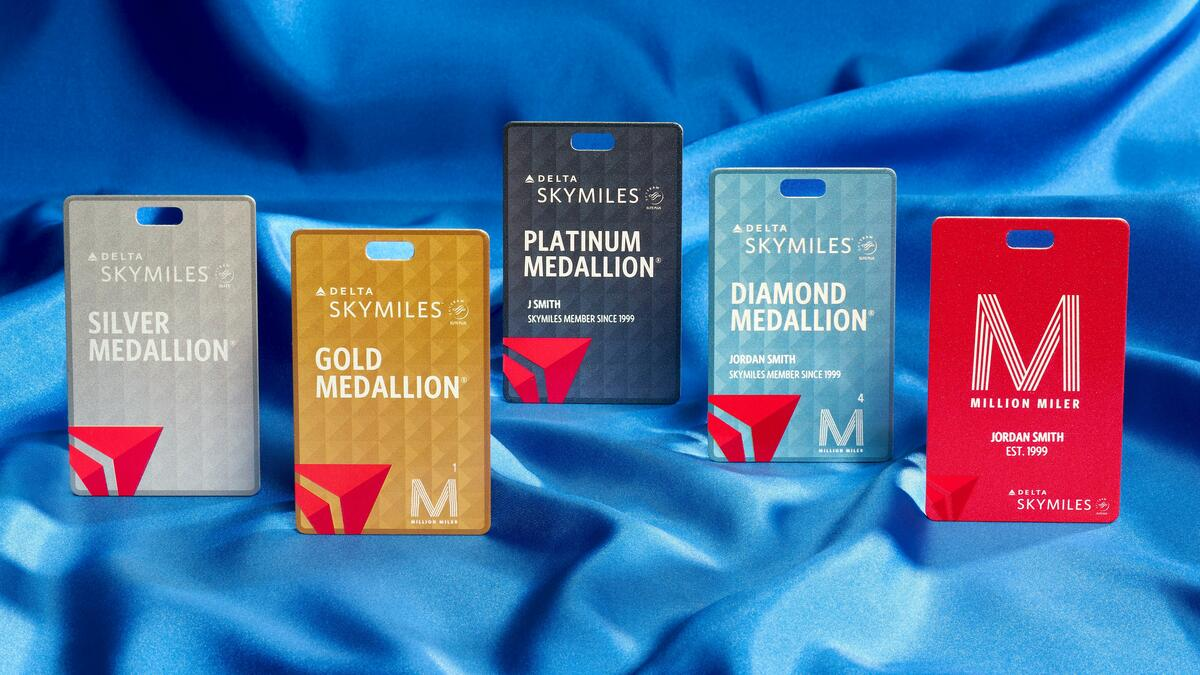
Delta’s elite program, Medallion, has four published levels named after precious metals and gems: Silver, Gold, Platinum, and Diamond. (There’s also a secret invite-only level above Diamond called Delta 360, but we’ll ignore that.) Don’t let the names fool you: Diamond is the top dog (because apparently calling it “Unobtainium” would be too on the nose). Historically, Delta required a mix of miles flown, segments flown, and dollars spent to earn these tiers. But in 2024 Delta nuked the old system and went all-in on dollars. Now, to reach any Medallion tier, you need to earn Medallion Qualifying Dollars (MQDs), basically how much you spend, as the sole metric. In plain English: status for sale.
Here’s the current price of admission for the 2024-25 qualification cycle:
- Silver Medallion: $5,000 MQD (meaning you spent ~$5k on Delta flights in a year)
- Gold Medallion: $10,000 MQD
- Platinum Medallion: $15,000 MQD
- Diamond Medallion: $28,000 MQD
Think about that. To be a Diamond (top-tier), you must spend at least $28k a year on Delta. If you’re not a corporate traveler on the company dime, that’s bonkers. Delta used to offer “MQD waivers” if you put $25k on a Delta Amex card. Those days are gone for high tiers. They replaced it with complex “MQD boost” features on credit cards (we’ll get to those), but the message is clear: Delta only cares about how much revenue you bring. Fly 100,000 miles on cheap tickets? You might be nowhere near status. Fly one international business class trip that costs $15k? Congrats, you’re nearly Platinum in one go.
So what do you actually get for those big bucks? Delta Medallion perks include the usual suspects: free checked bags (one for Silver, up to three for Diamond), priority check-in/security/boarding, and waivers of many fees. Upgrades: Silver and Gold Medallions get space-available upgrades to first class on domestic flights, but they are low on the totem pole (behind every Platinum, Diamond, and anyone with an upgrade certificate). Platinums and Diamonds also get Choice Benefits: at Platinum you can pick one extra perk (options like a few upgrade certificates, bonus miles, or gifting Silver status to someone), and at Diamond you pick three (options include things like global upgrade certificates, which are highly valuable for upgrading international flights, or an extra year of Sky Club lounge membership, bonus miles, etc). Diamond Medallions also get a dedicated VIP phone line and free Clear membership (expedited security). All Medallion tiers get a mileage earning bonus on Delta flights (e.g. Silver +40%, Diamond +120%). Also, Delta elites get some nice non-flight perks like priority car rentals (e.g. Hertz status)
It sounds great until you consider how many people qualify. In mid-2023, Delta reportedly had more Diamond Medallions than ever. Too many, in fact. Delta’s reliable operations and strong network attracted armies of road warriors. The result? Lounge overcrowding, packed upgrade lists, and diluted perks. Delta’s response was to drastically raise the bar (the MQD levels above) and to severely restrict lounge access for many customers. In late 2023, they announced that Amex Platinum cardholders (who previously enjoyed unlimited Sky Club visits) would be limited to a handful of visits per year unless they spent $75k on the card, and even hinted at limiting how many times elites themselves could use lounges. The backlash from loyal customers was immediate and fierce, so much so that Delta’s CEO had to publicly apologize and roll back some change. In the end, Delta eased up: as of 2025, Amex Platinum cardholders get 10 Sky Club visits per year (or unlimited with high spend), and the MQD requirements were slightly moderated (they initially floated Diamond at $35k, but settled on $28k after the outcry).
The whole saga illustrates the status hamster wheel: Delta made status too “easy” (or rather, too many people found ways to get it via credit cards and work travel), so they made it much harder, angering their best customers. Now fewer will qualify, which might improve the experience for those who remain, but you can bet in a few years the cycle will repeat.
A sobering stat: A 3rd-party analysis valued the perks of Delta Diamond Medallion at around $19,000 per year, but estimated it costs the average person over $33,000 in spend to earn that status. That’s a negative return on investment for anyone footing their own travel bill. Delta’s betting only big corporate spenders will remain in that tier.

American AAdvantage: Loyalty Points and the "Walmart-ification" of Status
American Airlines took a different, somewhat revolutionary path starting in 2022: they introduced Loyalty Points as the sole metric for status. They basically said, “Earn points doing anything (flying, using credit cards, shopping, whatever) and if you hit certain totals, you’re elite.” You can literally earn American status without flying a mile. Every dollar spent on an AA credit card = 1 Loyalty Point. Use the AA online shopping portal, dining rewards, etc., also 1 point per mile or dollar. This move blurred the line between traveling for status and shopping for status.
For 2025 status, American kept the same qualification thresholds (which were already bumped up when Loyalty Points launched:
- Gold: 40,000 Loyalty Points.
- Platinum: 75,000 points.
- Platinum Pro: 125,000 points.
- Executive Platinum: 200,000 points.
To give an idea, you earn 5 Loyalty Points per dollar on AA airfare (base fare), so a $500 ticket = 2,500 points. Credit card spend is 1 point per $1 (or more if category bonus, but those don’t count extra, it’s usually base only). Many hardcore AA fans have taken to putting every single expense on their AA credit cards to hit these numbers. You could spend $200k on the card and be an Executive Platinum without ever flying, theoretically.
American realized this could create way more elites (which it did), so they built in some safeguards: to get the really juicy perks (like systemwide upgrade certificates), you not only need to hit Executive Platinum, but also fly at least 30 flights and earn additional points to unlock those as Loyalty Choice Rewards. They also did not increase the thresholds for 2026, perhaps to avoid further swelling the ranks. Instead, AA has been tinkering around the edges: adding minor perks at lower levels (e.g. at 15k points you get a luggage tag, at 60k you might get group 4 boarding for a year if no status, etc.), and more options for Choice Rewards for higher tiers (like Avis status or extra upgrade credits).
So what’s life like as an AA elite now? Here are some of the benefits:
- Upgrades: American offers unlimited complimentary upgrades on domestic flights for all elites (Gold and up). However, upgrades for mid/low tiers (Gold, Platinum) only clear when seats are still empty at the gate (rare on popular routes). Executive Platinums clear up to 100 hours out, Platinum Pros 72 hours, Platinums 48, Gold 24. In practice, flights from major hubs often go out with many Exec Plat and Plat Pro on the list and a few upgrade seats, so lower tiers rarely see the front. AA also gives 4 systemwide upgrade certificates (SWUs) to Executive Platinums each year, which can upgrade any flight (including long-haul) if space is available. These are highly coveted, but finding availability to use them can be challenging.
- Oneworld Emerald/Sapphire perks: AAdvantage Platinum and above get oneworld Sapphire (or Emerald for Plat Pro/Exec Plat). That means lounge access when traveling internationally, priority lanes, extra bags: all the alliance goodies we covered. One wrinkle: AA’s own elites do not get access to AA lounges on domestic trips (same issue as United). However, if you’re flying AA domestically and you have oneworld status via BA or another airline, you could access the lounge. Go figure.
- Fee waivers: At Executive Platinum, you pay no award cancellation/redeposit fees, no same-day change fees, etc. Lower tiers get some fees waived or reduced (for example, Gold/Plat pay $150 for award redeposit, Exec Plat $0).
- Seat benefits: Platinum and above get extra-legroom seats (Main Cabin Extra) for free at booking; Gold gets them free only at check-in if available. All elites get a free checked bag (actually 2 for Plat and above, 3 for Exec Plat). They also get Priority boarding (Gold in Group 4, Platinum in Group 3, etc., right after first/business).
- Customer service: AA has anecdotally less stellar service for elites compared to Delta. They do have dedicated elite phone lines, but many report it’s hit or miss. One nice perk: top elites sometimes get access to “CK” agents (ConciergeKey, invite only status) during major irregular operations.
One big upside of AA’s program now: miles are easier to earn (since everything earns them) and they’ve kept partner award charts mostly intact. So an AA elite might rack up a ton of miles through flying and card spend, and then use those miles for something like Cathay Pacific first class or Qatar's Qsuite business class. If you play the game right, you can get huge value from the miles, which softens the fact that status benefits on AA (like upgrades) are harder to actually enjoy due to competition.
However, American’s approach also means some folks are swimming in status they barely use. There are people with Platinum status who fly twice a year but got it via credit card and random points. This arguably hurts the frequent flyers who actually earn it by flying, because it adds more bodies to the upgrade/standby list.

United MileagePlus: Old-School Elite, New-School Spend
United’s MileagePlus program, for better or worse, has been the middle-of-the-road in terms of changes. It still uses a hybrid qualifying system: Premier Qualifying Flights (PQF) + Premier Qualifying Points (PQP), or PQP alone if that’s higher. PQP are essentially dollars spent on United (and a bit for partner flights based on fare). In 2020 United killed the mileage requirement and went all-in on spend + flights. Now Delta has leapfrogged to spend-only, and American to “everything counts”, leaving United kind of looking… conservative.
United has four published Premier levels: Silver, Gold, Platinum, 1K (plus the invite-only Global Services above that). They announced higher qualification bars for the 2025 qualification year (to earn 2026 status):
- Premier Silver: 6,000 PQP (or 5,000 PQP + 15 flights), up from 5k/4k before
- Premier Gold: 12,000 PQP (or 10,000 + 30 flights), up from 10k/8.
- Premier Platinum: 18,000 PQP (or 15,000 + 45 flights), up from 15k/12.
- Premier 1K: 28,000 PQP (or 22,000 + 60 flights), up from 24k/18.
So roughly a 20-25% hike across the board. United clearly saw Delta’s changes and thought “we can also weed out some freeloaders.” However, United still rewards butt-in-seat flying: If you take a lot of flights, you can qualify with slightly fewer PQP. This is helpful for people who take many short hops (e.g. regionals).
United Elite Perks:
- Upgrades: United, like Delta and AA, offers unlimited domestic first-class upgrades to all elites. They use a algorithmic list: higher status, fare class, credit card holders, etc., all factor into your priority. In practice, Silvers on United rarely get upgraded except maybe on a 6am Saturday flight from Des Moines. Golds do a bit better, Platinums and 1Ks snag most of what’s available. United’s trump card is PlusPoints: when you hit Platinum, you get 40 PlusPoints; at 1K, you get 280 (and you can earn more by flying beyond 1K thresholds. PlusPoints can be used to confirm upgrades: e.g. 40 can upgrade a long-haul business class, 20 for a domestic or shorter international, etc. You can even request upgrades on certain partners (Lufthansa, ANA, etc.) with them. This is a big distinguisher: a United Platinum can lock in one or two upgrades a year using points, whereas a Delta Platinum is just hoping for the upgrade fairy. United also, like AA, has an unpublished higher tier (Global Services) who trump 1Ks for upgrades and get special treatment.
- Seats & Bags: United elites get a free checked bag at Silver, two bags at Gold/Plat, three at 1K. They also get Economy Plus seating (extra legroom seats in economy), which is a valuable perk. Golds and above can select Economy Plus seats for free at booking (for themselves + a companion). Silvers can at check-in if available. This can make long flights in coach much more tolerable and is a perk Delta actually doesn’t give mid-tiers (Delta charges non-Platinum for their Comfort+ seats until check-in for Silver). So United shines here.
- Star Alliance Gold: United Gold and above confer Star Alliance Gold status (Silver maps to no alliance status). That means United Golds get lounge access on international trips (though not United Clubs domestically, as noted). Many United elites leverage this when flying partners or abroad.
- Service: United 1Ks have a priority phone line and often better IRROPS (irregular ops) handling. There’s also a program where at big hubs they have “Premier Services” agents who might proactively rebook you if a flight is canceled, etc., particularly for 1Ks/GS. United’s service reputation has improved since the drags-off-passenger days of 2017, but let’s just say Delta probably still wins in consistency.
United is also heavily integrating credit cards into the equation. Chase’s United co-brand cards can earn you PQP: for example, the United Quest card gives 500 PQP for each $12k spent (up to 3,000 PQP per year), and the United Club Infinite card gives 500 PQP per $12k (up to 4,000 PQP). The Business card up to 8,000 PQP for big spend. These can significantly boost you. A 1K needs 28k PQP: if you have a United card and spend $50k on it, you could get maybe 4k-5k PQP from that, effectively lowering your flight spend requirement. United also has been granting small PQP boosts to current elites to help them requalify (like giving Silvers 300 PQP, Gold 600, etc. at the start of the year, presumably to not anger loyalists too much with the higher requirements.
One unique United perk: Award flights earn status credit. If you book a trip with miles on United, you actually earn PQP (1 PQP per 100 miles redeemed. So a 60k miles roundtrip would net 600 PQP toward status. That’s a nice way to not feel like spending your miles sets you back in qualification.

Honorable Mention: Southwest & JetBlue (A Different Kind of Loyalty)
Our focus is the traditional elite “status” game, but it’s worth noting not all airlines play that game. Southwest, for example, has A-List status (and A-List Preferred), which gives perks like priority boarding and check-in, but the real gem of Southwest is the Companion Pass. It’s not elite status per se, but if you earn 135,000 points in a year (or fly 100 one-way flights), you get to bring a companion for free on all your Southwest flights for the next year (plus remainder of the current year): just pay taxes. This blows typical status perks out of the water in terms of value. Many travel hackers consider it the best deal in air travel. It can also be earned via credit card bonuses (e.g. getting two Southwest cards when the bonus is high).
JetBlue’s loyalty program similarly is more straightforward. They have Mosaic status (and Mosaic+ for super-high spenders) which mostly gives you free carry-on, early boarding, free booze on board, and ability to same-day change or Even More Space seats. JetBlue’s benefits aren’t as extensive, and no lounge network or global partners to leverage much (besides a limited partnership with American now).
These airlines illustrate that you can be a loyal customer without the hierarchy. Some people love Southwest because everyone onboard is treated more or less equally (no first class, open seating), so there’s no “elite snob” culture. You still get rewarded (Companion Pass, etc.), but in a way that fosters sharing travel rather than separating elites from non-elites.
Part 3 of 5
Let’s talk about the elephant in the boarding group: credit cards. Airline-branded cards have quietly reshaped what it means to be “loyal,” letting travelers skip the whole flying thing and just buy their way into perks. Free checked bags, early boarding, lounge access: these used to be rewards for miles flown. Now? They’re for sale. In many cases, you can get the same benefits as a Silver or Gold elite just by paying a $95 annual fee and putting your groceries on the right piece of plastic.
Airlines and banks are very okay with this. Co-branded cards are now multibillion-dollar machines, pulling in more revenue than many airlines earn from actually flying planes. And when those cards also count toward elite status (either directly, like American’s Loyalty Points, or indirectly, like Delta’s MQD boosts), you start to see how the game has changed. It’s no longer just about flying a lot; it’s about becoming a financial asset to the airline ecosystem.
So the next time someone tells you they’re Gold Medallion or 1K, you might wonder: did they earn it at 35,000 feet… or at Costco? And the answer doesn’t really matter to the airline, as long as you’re swiping the right card. Welcome to the new loyalty program: where perks are pay-to-play, elite is a vibe, and your wallet matters more than your boarding pass.

The Credit Card Circus: How Banks Let You Buy Perks (and Status) Outright
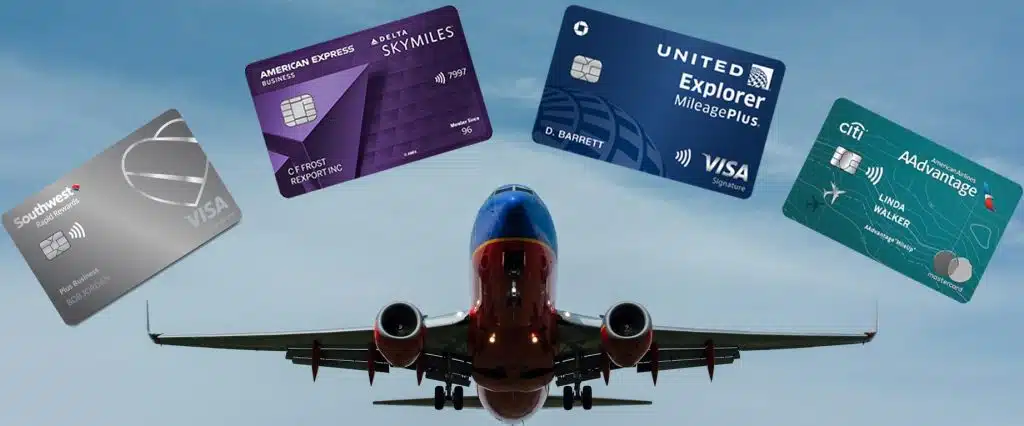
Time for the elephant in the room: airline credit cards and co-branded credit card programs. We’ve alluded to them repeatedly because you can’t talk about status without talking about the plastic in your wallet. Airlines have essentially made many status perks à la carte items that you can get simply by holding or using a credit card, no flying required. And they’ve allowed spending on cards to count towards status, blurring the lines between loyalty and just plain buying your way in.
Consider these scenarios that happen every day:
- A traveler with the United Explorer Visa boards with Group 2 (priority), checks a bag free, and even has access to extra award seats, all without holding any status. They pay $0 in bag fees (saving ~$60 roundtrip) and board ahead of all the basic economy schmucks.
- An occasional Delta flyer gets the Delta SkyMiles Gold Amex for $99/year. They instantly get a free checked bag on Delta (worth $60 roundtrip), priority boarding, and 15% off when redeeming miles (a new perk Delta added for cardholders). Again, no need to be Silver Medallion: they bought the core Silver benefits for $99.
- A family of four gets the American Airlines Citi Platinum card. They each get one free checked bag on AA, and they board in Group 5 right after elites. They use the card for all their spending, racking up miles, and perhaps eventually hit Gold just from everyday spend.
- A business traveler opens the American Express Platinum card (not tied to one airline but offers broad travel perks). For a $695 annual fee, they get automatic lounge access to Delta Sky Clubs whenever flying Delta, plus access to Centurion Lounges and Priority Pass lounges. They basically bypass the need for status to get lounge access.
And these are just the entry-level examples. The premium airline cards (Delta Reserve, United Club, AA Executive) offer even more: lounge access, big EQM/EQD boosts, companion tickets, etc. Delta Reserve, for instance, comes with 2 Delta lounge guest passes and the ability to earn up to 3,000 MQD by spending $90k in a year (in 2024 terms).
Airlines and banks make billions from these credit cards. Delta’s partnership with Amex reportedly netted Delta $6.8 billion in 2023 alone. That’s more than Delta made in operating profit. American AAdvantage co-branded cards brought in over *$6.1 billion in 2024. When you realize this, a lot becomes clear: The “loyalty” programs aren’t just about flying. They’re about creating a consumer ecosystem where you earn and spend with the airline’s brand as much as possible.
Spending Your Way to Status:
Delta and American have explicitly allowed this. We discussed American’s Loyalty Points: you can literally pay your mortgage or grocery bills on a Citi AA card and inch toward Executive Platinum. Delta’s approach is slightly different: rather than count every dollar, they give you MQD boosts and “headstarts” for using their Amex cards. For example, each Delta Platinum Amex gives you a $2,500 MQD head start toward status, and each Delta Reserve Amex gives you $2,500 plus you earn 1 MQD per $10 spent on it. Theoretically, one person could hold four Delta Amex cards (there are two personal and two business versions) and start the year with an automatic $10k MQD, enough for Gold Medallion, without flying a mile. Many travelers got multiple cards to game this in 2023. (Delta is devaluing some of these features going forward, but the gist remains: they want you to use the card heavily.)
United hasn’t fully gone there (they still cap how many PQP you can earn via cards), but they allow up to 15,000 PQP from cards if you have multiple and really spend a lot, which could cover more than half of 1K’s requirement.
Elite for a Day (or Year):
Credit cards have also allowed people to experience elite perks without commitment. For instance, United’s MileagePlus X app (now discontinued) used to give you one-time passes to Group 1 boarding after spending a certain amount. Some AA cards offer a yearly companion certificate (like a free domestic ticket for a companion) which is something usually only top-tier elites get as a choice benefit elsewhere.
Emirates, as mentioned earlier, straight-up gives you instant Silver or Gold status for a year when you get their co-branded Barclays Mastercard. It’s like a trial elite membership you can renew each year by continuing to spend on the card (spend $20k/year to maintain Silver, $40k for Gold). You barely need to fly Emirates at all.
All of this can make one question: Why exactly am I busting my butt taking extra flights for status when I could pay $95 or $450 for a card and get many of the same perks? That’s a very valid question, and airlines are fine with you thinking that, because if you get the card, they still “own” a piece of your wallet share.
The Downside for Elites: The more perks given away via cards, the fewer advantages pure elites have. If Group 1 boarding has 50 people (elites + credit card holders), it’s crowded. If lounges are filled with Amex cardholders who never fly that airline otherwise, elites find their sanctuary jam-packed. This is exactly what happened at Delta and American lounges, prompting rule changes (Delta limiting Amex entries, American limiting access for certain ticket holders even if Emerald, etc.). The democratization of perks via credit cards has essentially monetized the experience directly, cutting out the need to be a loyal flyer at all.
Part 4 of 5
Now we dish out brutally honest pros and cons of elite status, expose the psychological traps that keep frequent flyers on the treadmill, and sprinkle in ProTips that cut through the noise. Whether you’re a road warrior looking to optimize your loyalty strategy or just wondering if that “Platinum” tag is worth the effort, this guide has your back, and maybe your sanity, too.

Pros and Cons of Chasing Airline Status
We’ve thrown a lot of shade at the concept of elite status, but also acknowledged some genuine perks. Let’s summarize the advantages and disadvantages of being an airline elite in 2025, brutally honestly:
Pros of Airline Elite Status
- Some Comforts for “Free”: Upgrades to lie-flat seats, access to lounges with free drinks and snacks, extra-legroom seats, skipping the baggage fee: these all save money or improve your travel experience. When they happen, it feels like you beat the system. A few lucky upgrades a year can make the journey much more enjoyable without paying $1000s for business class.
- Recognition & Service: There’s an ego boost and sometimes practical boost to being recognized as a frequent flyer. Gate agents might be more willing to help reroute you if they see you’re a top-tier. You often get addressed by name. If something goes wrong (canceled flight, lost bag), elites usually have dedicated hotlines or priority queues to fix it faster. That can reduce travel stress immensely.
- Fee Waivers: Change your flight last minute? Elite status often means no change fee or a greatly reduced one. Need to cancel an award ticket? Top elites on many airlines pay no redeposit fee. These can save serious cash if your plans are fluid. For heavy travelers, these savings can pay back the effort of getting status.
- Better Seats & Boarding: Even if you don’t get upgraded, being able to select aisle/window seats in advance, or exit rows (for free), is a nice plus. Boarding early ensures you have overhead bin space for your carry-on and can settle in. You’re treated a bit more like a human and less like cattle during the boarding process, which is worth something for sanity.
- Reciprocal Perks Globally: If you’re, say, a United Gold (Star Alliance Gold) and you take even a single international trip a year, you’ll love having lounge access on layovers, priority baggage (so your checked bag comes off first after that 12-hour flight), and priority boarding on partner airlines. It makes the unfamiliar travel abroad a bit more familiar and smooth. Similarly, flying domestic in Japan or Europe on an alliance partner, you get perks that you wouldn’t as a general customer.
- Community & Status Matches: Being an elite plugs you into a community of frequent travelers. There are forums, meetups, even secret Facebook groups for various statuses. If that’s your thing, it’s a camaraderie builder (“we survived 100 flights this year, cheers.”). Also, having any status often lets you status match to other programs or hotel programs. For example, many airlines will give you a trial status if you have a competitor’s. Some hotels will match your airline status to hotel status. It can open doors to other travel hacks.
- Small Luxuries Add Up: Little things like being greeted personally onboard (sometimes flight attendants acknowledge top-tiers), getting a free drink in economy (some airlines give mid/high elites a free alcoholic drink or snack), or even occasional operational upgrades (if economy is oversold, guess who gets moved to business? The elite, not the random person). These are inconsistent, but when they happen, it reinforces the “I’m glad I have status” feeling.
Cons of Chasing Status
- Significant Cost (Money & Time): If your flying patterns don’t naturally earn status, trying to get there can be a fool’s errand. Mileage runs cost money and burn your precious free time. Those extra connections or inconvenient routing just to stick with your status airline might mean hours of your life wasted in airports or middle seats, when you could have taken a non-stop or flown an airline with a better fare. Status is not “free”: you pay in hidden ways.
- Diluted Benefits & Crowding: As we hammered on, airlines have minted so many elites that the experience isn’t special. You may find the lounge is standing-room only, the upgrade list has 40 names for 10 seats, and “priority” boarding feels like half the plane. Being one of many elite soldiers in a big army isn’t that great, especially when everyone shows up to battle for the one upgrade. This can lead to major frustration (“What’s the point of my Platinum if I never get upgraded because there are 30 Exec Plats on my flight?”).
- Moving Goalposts & Devaluations: Loyalty is a one-way street with airlines. They routinely jack up the requirements or devalue the rewards. Delta’s example in 2024 is case in point. You think you’re set for next year and then (surprise) your airline says you need to spend 20% more to keep the same status, or they eliminate the one perk you really cared about. It’s a treadmill, and you’re not in control of the speed.
- Golden Handcuffs (Loyalty Traps): When you’re deep into a status pursuit, you may make irrational decisions to protect it. Ever taken a connection in Dallas instead of a cheaper nonstop in Houston because you needed those AA Loyalty Points? Or booked a more expensive flight on United instead of Southwest because you didn’t want to “waste” a flight on a non-partner? This can cost you money and convenience. The opportunity cost of loyalty is real: you might miss out on better flights, better schedules, or simply saving cash, all in the name of chasing perks that you might not fully utilize.
- Psychological Stress: Some frequent travelers get anxious about their “stats” like a gamer chasing high scores. The addiction to status can genuinely cause stress: the year-end scramble to requalify (known as a “mileage run mad dash”), or the disappointment when you drop a tier and feel like a nobody. It’s a bit silly, but human emotions are tied up in it. Airlines prey on that (they literally talk about fostering a “cult-like loyalty” in some marketing meetings; they know it’s psychological). Being free of that chase can be liberating.
- Mediocre Actual Value: Crunch the numbers: say you flew 50k miles and spent $6k to get mid-tier status. What did you get? Perhaps 5 upgrades (worth maybe $1,000 if you price them generously), lounge access on 2 international trips (you could buy day passes for $100 each, so $200), waived bag fees on a few trips ($150), a couple free changes ($200). Maybe $1,500 of value for $6k spend, and you chose that airline even when it wasn’t the cheapest, so you might have overpaid by another $500 compared to chasing fares. Net-net, you could be down a few thousand bucks versus just buying perks à la carte or flying cheaper and paying for a nicer seat occasionally.
- Family Travel and Miscellany: One elite flying with family or friends doesn’t fully share benefits. If you have status but your spouse doesn’t, you might get upgraded and they won’t (awkward). Or you board early but your family boards later (some airlines accommodate, some don’t). Yes, you can usually bring a guest to lounges, but not always a whole family. The pursuit of status is very individualistic, which might not align with how you actually travel (if you always travel with colleagues or family, individual perks lose some value).
- Airline Dependency: When you’re a top elite, airlines know you’re hooked. If something goes wrong and it’s their fault, sure they’ll help, but if it’s not their fault, you may not have other options. A free agent traveler might split loyalty and have points/status in multiple programs (though lower), giving flexibility to switch. The obsessed loyalist might not even consider other airlines, potentially missing out on better products or experiences. (E.g., a Delta elite might never try JetBlue Mint, one of the best U.S. business class products, because “Delta doesn’t fly that route and I refuse to stray.” That’s a self-imposed loss.)
Part 5 of 5
Case Study: Delta’s Loyalty Program (A Cautionary Tale)
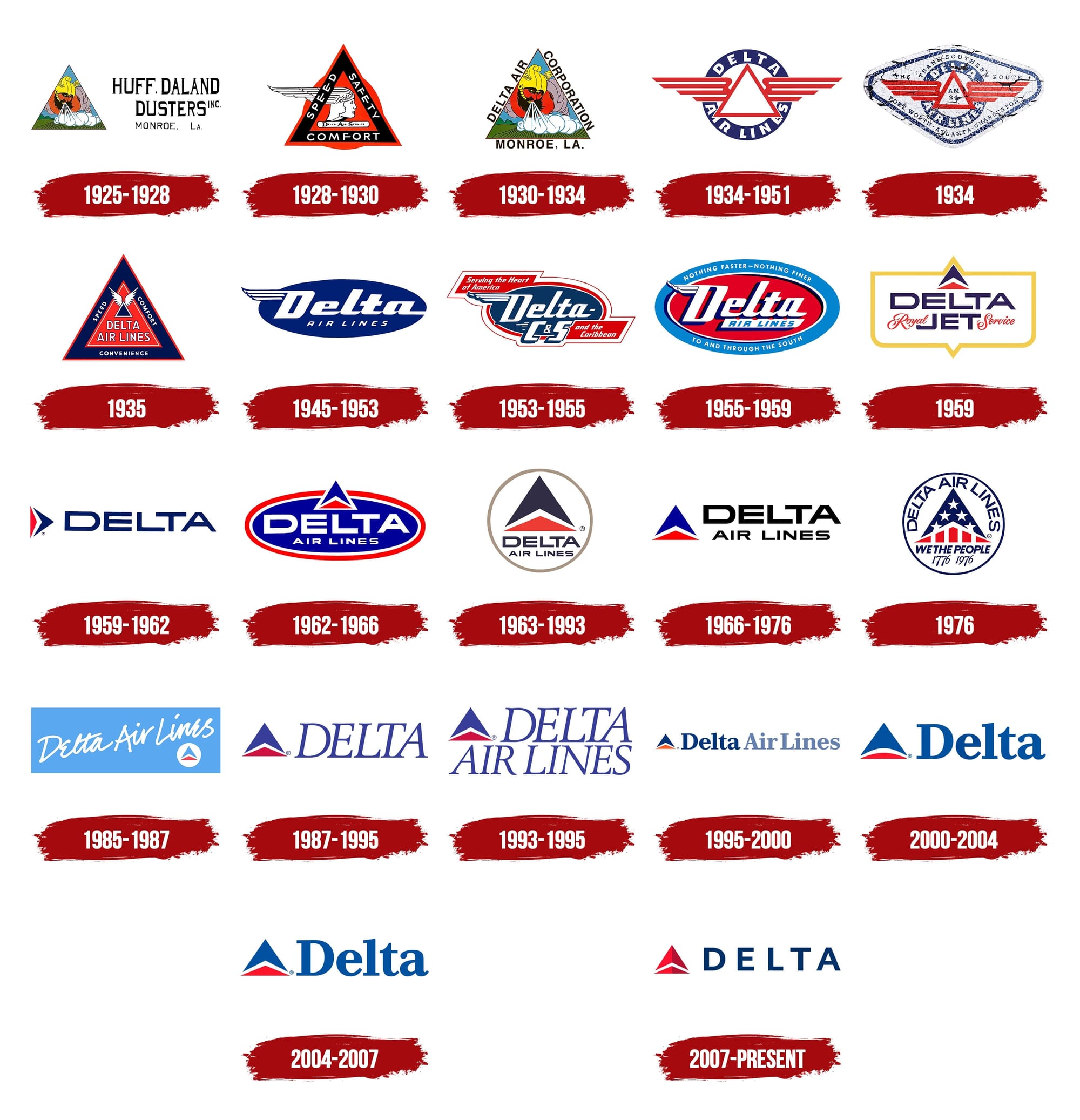
To truly underscore how airline loyalty programs can evolve (or devolve), let’s zoom in on Delta SkyMiles over the past decade. Delta has been both an innovator and a chief villain in the eyes of frequent flyers. Their journey shows how airlines balance rewarding customers with protecting profits, and how the “loyal” flyers often get the short end of the stick.
- Early 2010s: Delta leads the pack by introducing a revenue component for status (MQDs) around 2013. It wasn’t popular, but United and AA quickly copied. They all realized pure mileage-based status was too “easy” in an era of cheap tickets; they wanted to reward big spenders. Delta also removed award charts and went to dynamic pricing for miles (a move that years later, AA and United have also mimicked to an extent). At this point, a Delta Diamond (then requiring 125k miles and $12.5k spend) was a very exclusive club.
- Mid-2010s: Despite devaluations of miles, Delta cultivates a cult following through operational excellence. Their flights are on-time, their planes have nice amenities, and they market their Medallion program as a lifestyle. They even give Diamonds choice benefits like gifting status or upgrade certs, something unique at the time. People start calling Delta miles “SkyPesos” due to their low value, but paradoxically Delta’s credit card signups soar and Amex pays Delta more and more for the partnership.
- Late 2010s: Overcrowding becomes evident. Too many Amex cardholders in Sky Clubs lead to packed lounges. Delta starts to quietly make it harder: e.g., in 2018 they limit Sky Club access to only before departure (no arriving lounge visits) to control crowding. They increase MQD waiver thresholds (making it so you need to spend $250k on Amex to waive MQDs for Diamond, clearly aiming at ultra spenders). Yet, through it all, customers keep coming, because alternative airlines (United, AA) had their own struggles with reliability and customer satisfaction. Delta becomes the status symbol airline, a bit ironic given their own currency was so devalued.
- 2020-2021 (Pandemic Shakeup): Travel halts, so airlines make unprecedented moves to keep loyalty: they extend everyone’s status, lower requirements, and actually let people earn status on credit card spend and promos while not flying. Delta, for instance, rolled over all MQMs (miles) into 2021, then 2022, so some people ended up with huge buffers of miles, making status easy through 2023. This was nice at the time, but come 2022, suddenly Delta had a record number of elite members. Planes were full again, and so were the upgrade lists (with few empty seats to upgrade into, since travel demand was high and first class was often sold out).
- 2022-2023: The Breaking Point: Delta’s Sky Clubs hit peak overcrowding. Social media filled with photos of lines to get into lounges that looked like nightclub queues. Resentment grew as even top-tier elites had to wait or find no seating. In mid-2023, Delta tried band-aids: they sent emails reminding folks not to come too early, added lounge agents to speed entry, etc. At the same time, Delta saw that the status extension and credit card binge of 2020-2022 meant 2023 had way more Medallions competing for the same perks. CEO Ed Bastian basically admitted too many people were enjoying the fruit and it was time to prune the tree.
- Late 2023: Drastic Measures Announced: Delta drops a bomb: Starting 2024, no more MQMs (miles) or MQSs (segments); only MQDs (spend) will count. And the thresholds would skyrocket: Silver from $3k to $6k, Gold $8k to $12k, Platinum $12k to $18k, Diamond $20k to $35k (they later reduced Diamond to $28k after backlash). Also, Sky Club access would be stripped from many: the basic Amex Platinum card would only give 10 visits/year, Reserve cardholders unlimited but no guests unless they pay, and even Diamonds would no longer get an automatic lounge membership (it would cost a Choice benefit). This was the largest single change to Delta’s program ever.
- Customer Revolt: The reaction was visceral. People who had flown Delta loyally for decades said they’d switch airlines. A billionaire chartered a sign over Atlanta airport saying “Ed Bastian: Keep Climbing (straight to hell)”, referencing Delta’s slogan. Delta’s about-face on loyalty was seen as a cash grab of monumental proportions. Within a month, Delta partially walked back the changes: they moderated the MQD levels a bit (Diamond down to $28k) and decided to allow Amex Platinum folks 10 visits rather than the originally proposed 6, and to let Delta Reserve cardholders bring two guests per visit for a $50 fee each (initially they were going to forbid guests entirely on the card.
- 2024 and Beyond: As we write (April 2025), the dust is settling. Many “rage-quit” customers didn’t actually quit, because inertia is strong and alternatives may not be better. But Delta did potentially drive some of their high-value flyers to American (which opportunistically ran status match challenges to scoop them up). Delta’s program is now the most difficult for pure flyers but highly rewarding for big spenders (and Amex big spenders). Will it result in fewer elites and better experiences (e.g., less lounge crowding, more upgrades)? Probably at the margins, yes. But it also opened eyes industry-wide: if Delta can get away with this, others might follow. United quickly upped their requirements ~20%. American will likely tweak Loyalty Points (maybe making elite ranks harder but adding more Choice rewards). The game is far from static.
The Delta saga teaches a few lessons: Airlines will always prioritize revenue over loyalty. They’re not charities, and if too many people game their program, they will reset the game. Also, it shows the danger of putting all your eggs in one basket: many Delta loyalists felt betrayed and stuck. Diversification isn’t just for finances; it can be for loyalty too. And lastly, it proved that consumer pushback can influence (Delta did soften some changes), so voice your displeasure when a program you’re invested in pulls a fast one.

Final Thoughts
At the end of the day, airline elite status is a bit of a love-hate relationship. It can make your travels smoother, or it can make you feel like a sucker. The key is to stay in control of your travel decisions. Use the programs, but don’t let them use you.
If the pursuit of status stops making sense, don’t be afraid to step off the hamster wheel. Buy a lounge pass occasionally, pay $30 for extra legroom when you need it, fly different airlines if it saves you time or money. You might find the freedom more rewarding than the status ever was.
In 2025, the bottom line is this: Status ain’t what it used to be. So maybe, just maybe, it’s time for us travelers to redefine loyalty on our terms. Safe travels, and may your choices, whether loyal or free-agent, always earn you more smiles than miles.